Learn to build lasting competitive advantage and business moats that safeguard profits and market share. Expert insights for sustainable growth.
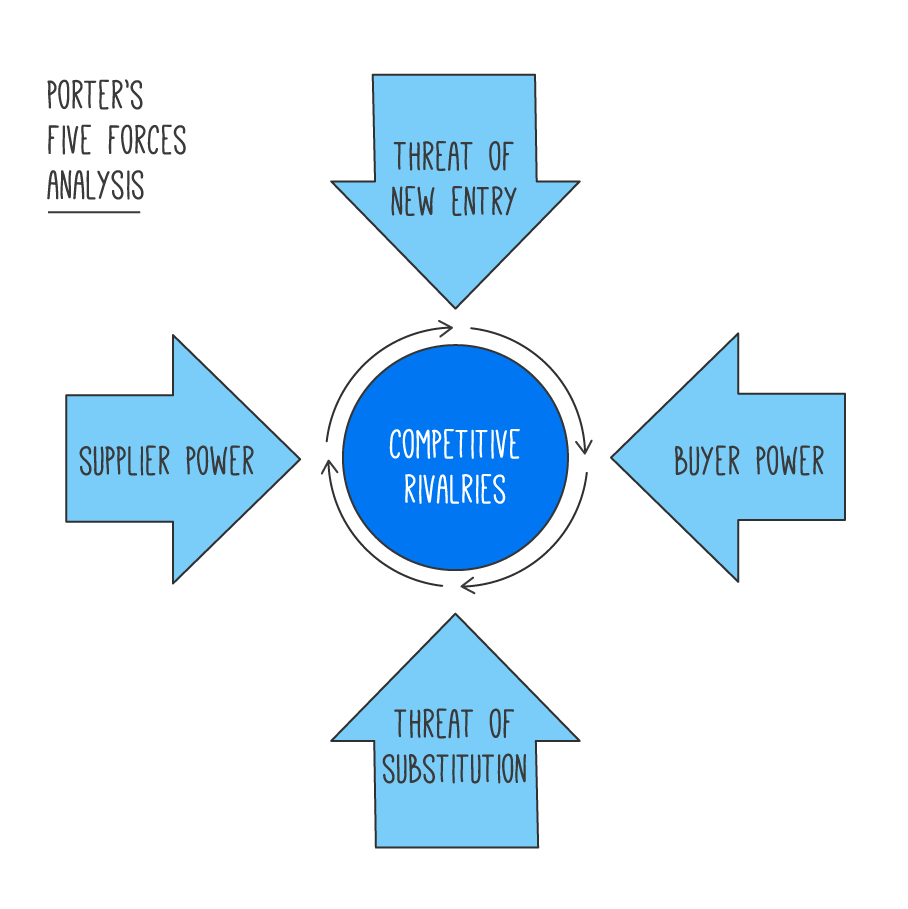
In the dynamic landscape of modern business, simply having a good product or service is often insufficient for long-term success. From years of advising companies across various sectors, I’ve witnessed firsthand how quickly market leadership can erode without a truly defensible position. True prosperity stems from establishing and fortifying what we call competitive advantage and business moats. These aren’t just buzzwords; they represent the core strategic elements that allow a company to outperform rivals and protect its profitability over extended periods. It’s about building barriers that make it difficult for others to copy or displace your success, ensuring sustained value creation for customers and stakeholders alike.
Key Takeaways:
- Competitive advantage and business moats are crucial for long-term business success, not just good products.
- They represent strategic barriers that protect profitability and market share from rivals.
- Common moats include network effects, intangible assets, cost advantages, and switching costs.
- Understanding and defining a company’s unique value proposition is the first step in moat building.
- Investing in R&D, brand building, and operational efficiency strengthens these defenses.
- Moats are not static; they require continuous monitoring, adaptation, and investment.
- Successful businesses consistently innovate to reinforce their market position.
- Geographic focus, like specific US markets, can also be a tactical moat.
- These strategies are vital for creating sustained shareholder value and company resilience.
Understanding Competitive advantage and business moats
A competitive advantage is what makes a business’s offerings superior to those of its rivals from the customer’s perspective. This superiority might stem from various factors, such as lower prices for comparable value, higher quality, unique features, or exceptional customer service. From a practical standpoint, identifying your true advantage requires deep introspection and honest market assessment. Is your product genuinely better, or just different? Is your cost structure truly lower, or are you simply accepting thinner margins?
Business moats, or economic moats as they are often termed, are the structural characteristics that protect a company’s long-term profits and market share from competitive forces. Think of them as the protective barriers around a medieval castle. Without a moat, any competitor can easily attack and seize market share. There are typically five primary types of moats we see in successful US companies:
- Network Effects: The value of a product or service increases as more people use it. Social media platforms or digital marketplaces are prime examples.
- Intangible Assets: These include strong brands, patents, regulatory licenses, or proprietary technology. Coca-Cola’s brand recognition is a classic illustration.
- Switching Costs: The inconvenience or expense customers incur when changing from one product or service to another. Enterprise software often creates high switching costs.
- Cost Advantage: The ability to produce goods or services at a lower cost than competitors, allowing for lower prices or higher margins. Walmart’s distribution efficiency offers a strong example.
- Efficient Scale: A niche market is only large enough to support one or a very few profitable players. This often applies to specialized industrial components or regional utilities.
These moats are not theoretical concepts; they are daily realities for businesses striving for longevity. Our experience shows that clear identification of existing or potential moats is the first step toward strategic reinforcement.
Building Defensible Market Positions
Building a defensible market position requires deliberate strategic choices and consistent execution. It’s not about luck; it’s about engineering advantage. For instance, creating a powerful brand, a key intangible asset, involves years of consistent messaging, quality product delivery, and positive customer interactions. A brand like Apple, while not impervious, clearly enjoys a robust moat built on perception, loyalty, and perceived value.
Another critical aspect is continuous innovation. In my work with tech startups, we emphasize that patents and proprietary technology, though valuable, are temporary. The true moat comes from the ability to continually innovate faster than competitors. This means fostering a culture of research and development, investing in talent, and being willing to cannibalize your own products before someone else does. Operational excellence also plays a huge part. Streamlined processes, efficient supply chains, and superior logistics can create significant cost advantages, making it difficult for new entrants to compete on price without incurring heavy losses. This focus on internal efficiency and external market perception builds a robust foundation.
Strategic Imperatives for Competitive advantage and business moats
For businesses aiming for enduring success, establishing competitive advantage and business moats isn’t a one-time project; it’s an ongoing strategic imperative. From a leadership perspective, this means embedding moat-thinking into every significant decision. Before launching a new product or entering a new market, the core question should always be: How does this strengthen our defensible position? Does it create network effects? Can we patent a key component? Will it increase customer switching costs?
Moreover, strategic imperatives often involve hard choices. It might mean sacrificing short-term gains for long-term market dominance, such as investing heavily in R&D or building out a massive distribution network ahead of demand. In the US market, regulatory hurdles can sometimes act as a significant moat for incumbent businesses, requiring substantial capital or expertise for new entrants to overcome. Leaders must also consistently monitor the competitive landscape, anticipating threats and opportunities. This proactive approach allows companies to adapt and evolve their moats, ensuring they remain relevant and robust against disruptive forces. Without this foresight, even the strongest advantages can weaken over time.
Sustaining Competitive advantage and business moats in Dynamic Markets
The business world is constantly shifting. What constitutes a strong moat today may be less effective tomorrow due to technological breakthroughs, changing consumer preferences, or new regulatory environments. Therefore, sustaining competitive advantage and business moats requires relentless vigilance and adaptability. Companies must continuously reinvest in their moats, just as they would maintain critical infrastructure. For example, a strong brand needs consistent marketing and brand management to stay top-of-mind and relevant. Proprietary technology demands ongoing R&D to avoid obsolescence.
We’ve seen US companies that once held seemingly impenetrable moats falter because they rested on past laurels. Think of Blockbuster versus Netflix, or traditional media outlets facing digital disruption. Successful businesses understand that moats are living entities. They demand constant nurturing, testing, and sometimes, reinvention. This proactive stance ensures that the barriers to entry for competitors remain high, safeguarding the company’s ability to generate superior returns. Ultimately, the ability to sustain these advantages is the true measure of a business’s long-term strategic prowess.
About the Author