
Observing key Middle market business growth trends reveals digital adoption, talent needs, M&A, and capital access shaping future success in the US.
The landscape for middle market businesses is dynamic, reflecting broader economic shifts and specific industry pressures. From my vantage point, working closely with executives in this sector, these companies often represent the backbone of local economies. They are agile, yet large enough to face complex challenges similar to their larger counterparts. Understanding the underlying forces at play is crucial for sustained development. This involves more than just tracking revenue; it requires looking at strategic responses to market forces, operational changes, and capital deployment. We continually evaluate how these organizations adapt and innovate to maintain their competitive edge.
Key Takeaways
- Digital integration is no longer optional; it’s a core driver for middle market expansion and efficiency.
- Attracting and keeping skilled employees remains a critical challenge, influencing operational capacity and innovation.
- Strategic mergers and acquisitions are frequently used to gain market share, technology, or talent.
- Access to appropriate funding, beyond traditional bank loans, is essential for accelerating growth initiatives.
- Geopolitical events and economic volatility significantly impact supply chains and market demand for mid-sized firms.
- Focus on data-driven decision-making helps these businesses identify opportunities and mitigate risks effectively.
- Sustainability practices are gaining importance, influencing brand reputation and attracting new customer segments.
Adapting to Digital Transformation in Middle market business growth trends
Digital adoption is a standout among current Middle market business growth trends. Many mid-sized firms are moving beyond basic online presence. They are investing in sophisticated automation, cloud-based systems, and data analytics tools. This shift improves operational efficiency and customer engagement. For instance, implementing ERP systems streamlines complex processes, from inventory management to financial reporting. This allows for better resource allocation and informed choices.
The integration of AI and machine learning also presents significant opportunities. These technologies help optimize supply chains, predict market demand, and personalize customer experiences. Small gains in these areas can lead to substantial competitive advantages. However, the initial investment and the need for specialized talent can be hurdles. Businesses that overcome these challenges tend to see more robust expansion. Cybersecurity, too, has become a top priority as digital footprints expand. Protecting sensitive data is non-negotiable for maintaining trust and operational continuity.
Talent Acquisition and Retention Strategies
Securing and retaining talent remains a pressing concern for middle market organizations. The competition for skilled workers is intense, especially in technical fields and specialized trades. This issue impacts overall Middle market business growth trends. These companies often lack the brand recognition or deep pockets of large corporations. Therefore, they must offer compelling value propositions. Competitive compensation is a start, but it’s not enough.
Firms are increasingly focusing on culture, flexibility, and professional development opportunities. Creating an inclusive work environment fosters loyalty. Offering clear career paths and continuous learning programs keeps employees engaged. Many mid-market employers are also exploring hybrid work models to attract a wider talent pool. In the US, the tight labor market demands creativity in recruitment. This includes partnering with local educational institutions and investing in internal training programs. Employee well-being initiatives also play a role in retention, recognizing the holistic needs of the workforce.
Strategic Mergers and Acquisitions Shaping Middle market business growth trends
Mergers and acquisitions (M&A) represent a powerful engine within Middle market business growth trends. Rather than solely relying on organic growth, many businesses are pursuing strategic acquisitions. These deals can quickly expand market share, introduce new product lines, or acquire critical technologies. They can also consolidate fragmented industries, creating stronger entities. My experience shows that successful M&A activity is often driven by a clear strategic rationale.
These transactions are not without complexity. Integration challenges, cultural clashes, and valuation discrepancies can derail efforts. However, when executed thoughtfully, M&A can accelerate a company’s trajectory significantly. Many firms look to acquire smaller, innovative companies to gain an edge. Others seek to merge with peers to achieve economies of scale and geographic expansion. The current economic environment, with accessible capital and varied valuations, continues to fuel this activity across diverse sectors.
Capital Access and Funding Strategies for Middle market business growth trends
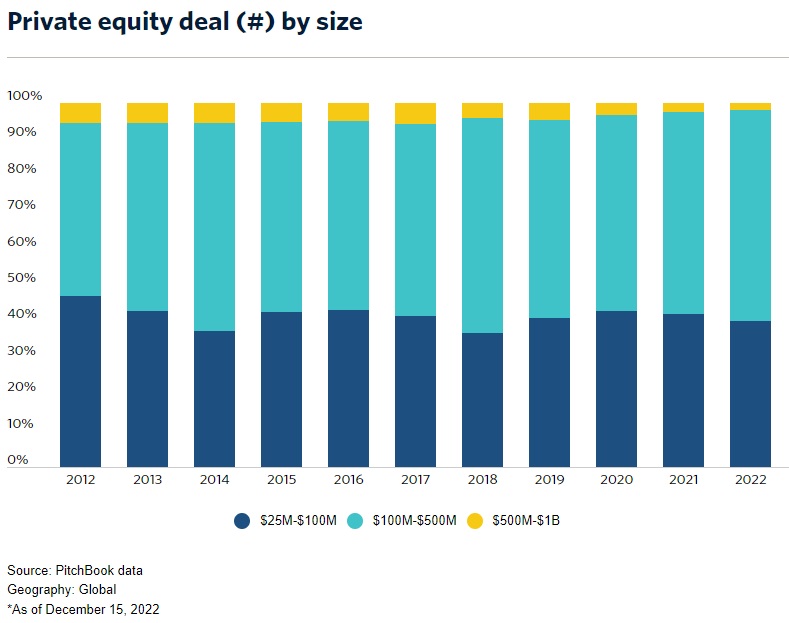
Effective capital management is foundational for any business, and it directly influences Middle market business growth trends. While traditional bank lending remains a staple, mid-sized firms are exploring a wider array of funding sources. Private equity and venture capital funds are increasingly active in this space. They offer not just capital, but also strategic guidance and operational expertise. Debt financing, including asset-backed loans and mezzanine debt, provides flexibility without equity dilution.
Companies also leverage internal cash flow and strategic partnerships for capital. Prudent financial planning ensures adequate liquidity for operations and investment. Access to capital is critical for funding expansion projects, technological upgrades, and potential M&A activities. Firms that can articulate a clear growth story and demonstrate strong financial performance typically find better funding terms. This strategic approach to financing helps fuel sustained development and allows for agility in responding to market opportunities.
About the Author


